
Pet Insurance Across Illinois, Indiana & Wisconsin
Vet Bills Shouldn't Be the Reason You Can't Say Yes
One Emergency Vet Visit
Changes the Conversation
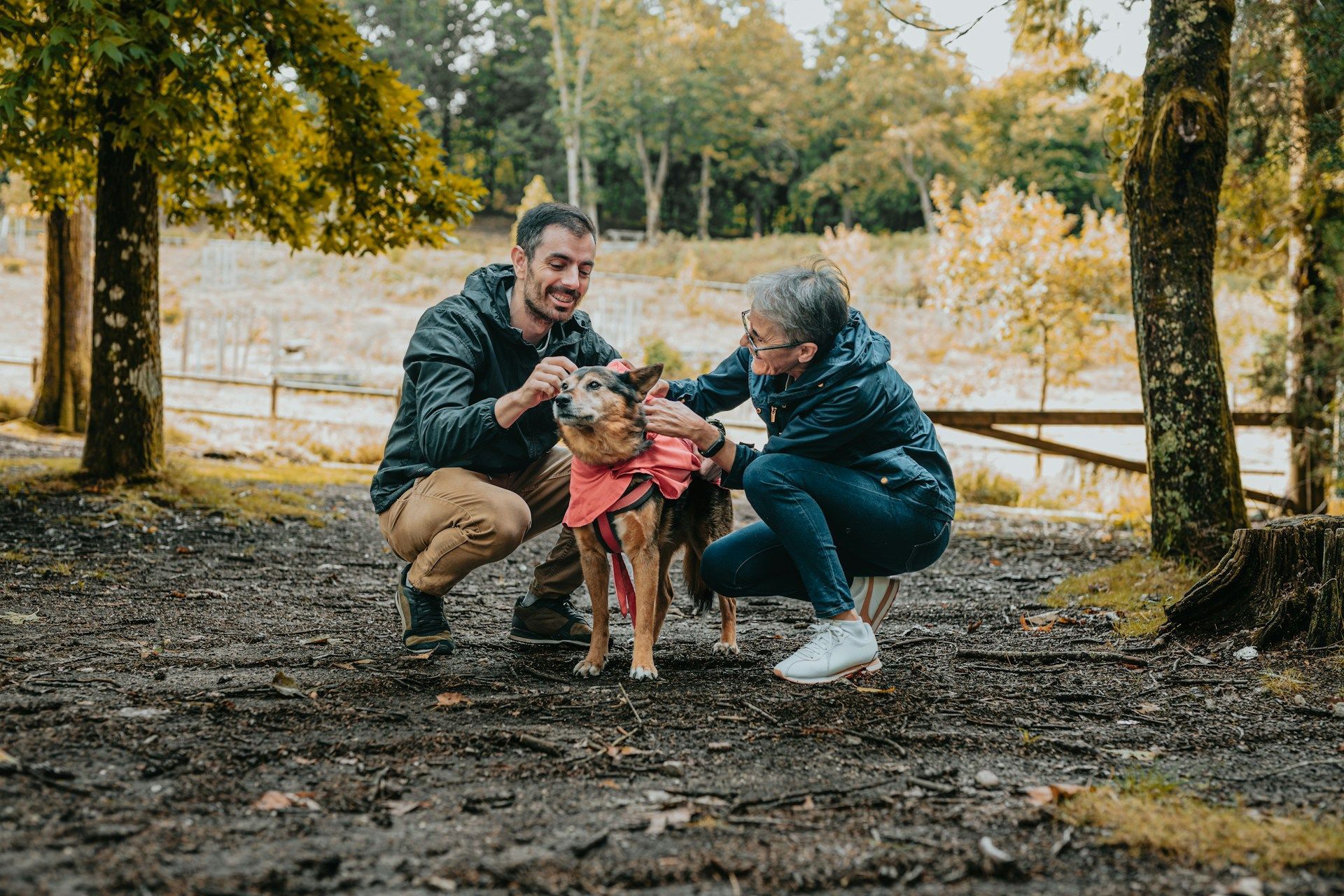
Most pet owners don't think seriously about pet insurance until after an emergency. A dog that swallows a foreign object. A cat with a urinary blockage. An orthopedic injury from a fall or a collision.
Emergency veterinary care now routinely runs $2,000 to $7,000 for common major interventions — and specialist referrals, overnight monitoring, and post-surgical care can push that number higher. These bills arrive without warning and require payment at the time of service.
Pet insurance with accident and illness coverage reduces that out-of-pocket cost to the deductible amount. It removes the financial calculation from a moment that should be focused entirely on the animal.
Pet Insurance Coverage Types
What Each One Covers
Pet insurance is not a single product. The three primary coverage structures serve different needs and budgets.
Accident-only coverage is the most affordable tier. It covers injuries resulting from accidents — lacerations, fractures, foreign body ingestion, toxic ingestion — but does not cover illness, chronic conditions, or preventive care. It is suited to pet owners who want protection against catastrophic injury costs at the lowest available premium.
Accident and illness coverage is the most commonly purchased pet insurance structure. It covers both injuries and illnesses — infections, cancer, diabetes, orthopedic conditions, digestive disorders — in addition to accidents. For most pet owners across Illinois, Wisconsin, and Indiana, this is the coverage tier that provides meaningful protection against the full range of veterinary expenses.
Wellness riders are optional add-ons that cover routine and preventive care — annual exams, vaccines, flea and tick prevention, dental cleanings, and spay or neuter procedures. Wellness coverage does not reduce the premium on an accident and illness policy — it adds to it — but it converts routine vet costs into predictable monthly expenses rather than periodic out-of-pocket ones.

What to Read Before You Buy
The Policy Details That Matter

Pet insurance policies are not standardized the way human
health insurance plans are. The coverage differences that determine whether a claim is paid live in the policy language — not the advertised premium.
Pre-existing condition exclusions are universal across pet insurance carriers — no policy covers conditions that existed before the policy effective date or during the waiting period. The definition of what qualifies as pre-existing varies by carrier and is the most consequential exclusion in pet insurance. Some carriers exclude conditions that appeared in vet records years prior. Others apply a shorter lookback window.
Waiting periods determine how long after policy purchase coverage becomes active. Accident coverage typically activates within 14 days. Illness coverage often carries a 14-day waiting period. Orthopedic conditions — one of the most common claims for large breed dogs — frequently carry a longer waiting period of 6 months or more with some carriers.
Reimbursement structure determines how the benefit is calculated. Some policies reimburse a percentage of actual vet charges. Others reimburse based on a benefit schedule — a fixed amount per condition regardless of what the vet charged. Actual charge reimbursement is generally more favorable for high-cost suburban veterinary markets.
Lifetime vs. annual limits cap the total benefit available. Policies with annual per-condition limits or lifetime caps can exhaust quickly for chronic conditions. Unlimited annual coverage is available from some carriers and is worth the premium difference for breeds with known health predispositions.
We compare these variables — not just the monthly premium — across available carriers before recommending a policy.
Is Pet Insurance Worth It?
The honest answer depends on the animal, the breed, and the owner's financial situation.
For large breed dogs — Labrador retrievers, golden retrievers, German shepherds, and similar breeds common in the western suburbs — orthopedic conditions, cancer, and digestive issues are statistically likely over a 10 to 12-year lifespan. A single cruciate repair surgery in the Chicago suburban market runs $3,500 to $6,000. A cancer treatment protocol can reach $8,000 to $15,000 or more.
For younger, healthier pets of any species, pet insurance functions similarly to any other insurance — the annual premium is the cost of transferring a low-probability, high-cost risk to a carrier. For pets already showing health issues, enrollment becomes more difficult and more exclusion-laden.
The optimal time to purchase pet insurance is before the pet develops health conditions — when the application is clean, the premium is lowest, and the waiting periods are manageable. Waiting until an animal is older and symptomatic is typically too late to get comprehensive coverage at an affordable rate.

Frequently Asked Questions
About Pet Insurance
How much does pet insurance cost?
Annual pet insurance premiums vary significantly by species, breed, age, and coverage level. Cat insurance typically runs $200 to $400 per year for accident and illness coverage. Dog insurance ranges from $400 to $1,500 or more annually depending on breed and coverage tier. Call us for a quote specific to your pet.
Is pet insurance worth it?
For most dog owners — particularly owners of large breeds or breeds with known health issues — accident and illness coverage provides meaningful financial protection against veterinary costs that routinely reach $3,000 to $7,000 for common emergencies. The value depends on the pet, the breed, and the owner's ability to absorb an unexpected vet bill.
Does pet insurance cover pre-existing conditions?
No pet insurance carrier covers conditions that existed before the policy effective date or developed during the waiting period. Pre-existing condition definitions vary by carrier — some apply broad lookback windows, others are more narrow. This is one of the most important variables to compare before purchasing and one of the clearest reasons to enroll while the pet is young and healthy.
What is the best pet insurance for dogs?
The right policy depends on your dog's breed, age, and health history, your veterinarian's fee structure, and your coverage priorities. We compare available carriers on reimbursement structure, pre-existing condition definitions, waiting periods, and coverage limits — not just premium — and identify the policy that provides the best protection for your specific animal.
When is the best time to get pet insurance?
Before your pet develops any health conditions. Most carriers exclude pre-existing conditions, and older pets with health histories are either harder to insure comprehensively or face broader exclusions. Enrolling while the pet is young and healthy produces the cleanest policy at the lowest premium.
Is pet insurance available in Illinois, Wisconsin, and Indiana?
Yes. Prime Insurance Agency places pet insurance for clients across all three states. Carrier availability and plan options may vary by location — call us and we'll identify the right options for your pet wherever you are.
The Same Local Team for Every Coverage Your Household Carries
When you call Prime Insurance Agency about pet insurance, you reach the same team that handles your auto, home,
and life insurance — one agency, one relationship, one phone number for every policy your household carries.
We serve pet owners and families across Illinois, Wisconsin, and Indiana.