
Homeowners Insurance Across Illinois, Indiana & Wisconsin
The Right Coverage Before Something Goes Wrong
Your Home's Value Has Changed.
Has Your Coverage?
Rebuild costs have risen significantly in recent years — materials, labor, and contractor availability have all pushed construction costs well above what most dwelling coverage limits were set to cover at the time of purchase.
A homeowner who set their dwelling limit five years ago may now face a rebuild cost that exceeds that limit by tens of thousands of dollars. That gap is not covered by the policy — it comes out of pocket after a total loss.
We review dwelling replacement cost estimates for every homeowners client and compare the current limit against the actual rebuild value before recommending any change.

What Homeowners Insurance Covers
A standard homeowners policy (HO-3) covers six primary areas.
Understanding what each covers and what it doesn't prevents the most common claim surprises.
Dwelling coverage pays to repair or rebuild the structure of your home after a covered loss — including the roof, walls, foundation, and attached structures
Other structures coverage extends to detached structures on your property — a garage, fence, shed, or outbuilding
Personal property coverage pays to repair or replace the contents of your home — furniture, electronics, clothing, and appliances — after a covered loss
Liability coverage protects you if someone is injured on your property or if you accidentally cause damage to a neighbor's property
Medical payments coverage pays for a guest's medical expenses if they are injured on your property regardless of fault — a goodwill coverage that operates independently of liability
Loss of use coverage pays for temporary housing and additional living expenses if a covered event makes your home uninhabitable while repairs are made

What Standard Homeowners
Insurance Does Not Cover
Two exclusions cause the most claim surprises for homeowners
and both are worth understanding before the event that triggers them.
Flood damage is excluded from every standard homeowners policy. Water that enters the home from outside — rising groundwater, overflowing drainage systems, storm surge — is not covered regardless of cause.
Homeowners near drainage basins, retention ponds, or FEMA-designated flood zones carry real flood exposure that requires a separate FEMA National Flood Insurance Program policy or a private flood policy.
Sewer backup and water seepage are also typically excluded from standard homeowners policies — but unlike flood, they can often be added as an endorsement at modest additional cost. A backed-up sewer line or a failed sump pump that sends water into a finished basement is one of the most common and costly claims for Midwest homeowners — and one of the most frequently uninsured.
We identify both gaps in every home insurance review and explain the options for addressing them before a loss makes the conversation necessary.
Market Value vs. Replacement Cost
Why the Difference Matters
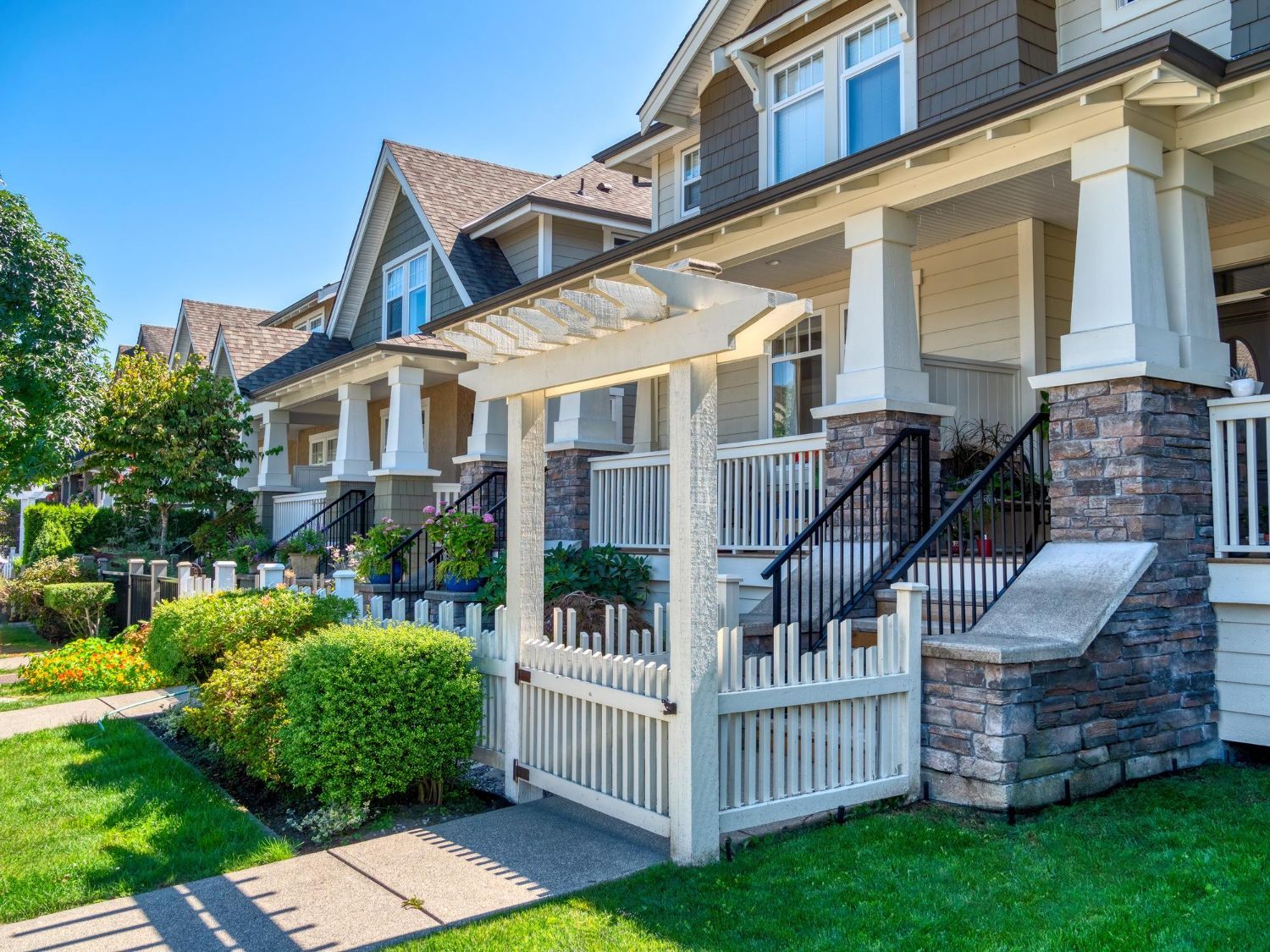
Many homeowners assume their dwelling coverage should match their home's market value — the price it would sell for on the open market. This assumption leads to underinsurance.
Market value includes the land the home sits on, which cannot be destroyed in a fire or storm. Replacement cost is the actual cost to rebuild the structure from the ground up at current labor and material prices — which frequently exceeds market value in established neighborhoods across Illinois, Wisconsin, and Indiana.
A policy written at market value rather than replacement cost can leave a homeowner significantly short after a major loss. We confirm which basis applies to every policy we review and identify the difference in dollar terms before recommending any coverage change.

Illinois, Indiana, and Wisconsin Homeowners Face Real Seasonal Risk

Hail events, high-wind storms, and winter weather — ice damming, frozen pipe bursts, and heavy roof loading — produce homeowners claims across the western suburbs and the broader Midwest every year.
A policy that addresses these perils with appropriate dwelling limits, correct deductible structure, and sewer backup coverage is built for the actual risk environment your home sits in.
Bundle Home and Auto
for a Discount on Both

Bundling homeowners and auto insurance through the same carrier typically produces a combined discount on both policies. We identify the carrier that offers the strongest combined rate for each household's specific home and auto profile and place both policies together where the bundle produces genuine savings.
Frequently Asked Questions About Homeowners Insurance
How much homeowners insurance do I need?
The most important number is your dwelling coverage limit — which should reflect the actual cost to rebuild your home at current labor and material prices, not its market value or purchase price. For most homeowners, that number has increased significantly in recent years. Call us for a no-obligation replacement cost review specific to your address.
Does homeowners insurance cover basement flooding?
Standard homeowners policies exclude flood damage — water entering from outside the home. Sewer backup coverage can typically be added as an endorsement. Flood coverage for rising water requires a separate FEMA or private flood policy. We identify which gap applies to your specific property and location.
Is flood insurance required for homeowners in Illinois, Wisconsin, or Indiana?
Flood insurance is required by mortgage lenders for homes in FEMA-designated Special Flood Hazard Areas. It is not required by state law for homes outside those zones — but homeowners near drainage basins and retention ponds may still carry meaningful flood exposure. We identify your flood zone status and explain the options.
What is the difference between replacement cost and actual cash value homeowners insurance?
Replacement cost coverage pays to repair or replace damaged property at current market prices. Actual cash value coverage pays replacement cost minus depreciation — which can result in a significantly lower settlement for older roofs, appliances, and personal property. We confirm which basis applies to every policy we review.
How do I know if I have enough homeowners coverage after buying a new home?
A new homeowners policy should be built around the actual rebuild cost of the structure, the replacement value of your personal property, your liability exposure, and the specific hazard risks in your location — not just the purchase price. Call us and we'll build the right policy from day one.
Can I bundle home and auto insurance for a discount?
Yes. Bundling homeowners and auto insurance through the same carrier typically produces a combined discount on both policies. We identify the carrier that offers the strongest combined rate for your specific home and auto profile.
Does Prime Insurance place homeowners coverage in Wisconsin and Indiana?
Yes. Prime is licensed in Illinois, Wisconsin, and Indiana and places homeowners insurance for clients across all three states. Whether you're insuring a primary residence, a second home, or a seasonal property, we structure coverage that fits your situation.
A Policy Review Costs Nothing. An Uncovered Claim Costs Everything.
When you call Prime Insurance Agency about homeowners insurance, you reach an independent agent who reviews your dwelling coverage, identifies your flood and sewer backup exposure, and compares rates across multiple carriers — before recommending any change.
We serve homeowners across Illinois, Wisconsin, and Indiana. Whether you're insuring a primary residence, a home across state lines, or a seasonal property, the same team handles your coverage from one office and one phone number.