
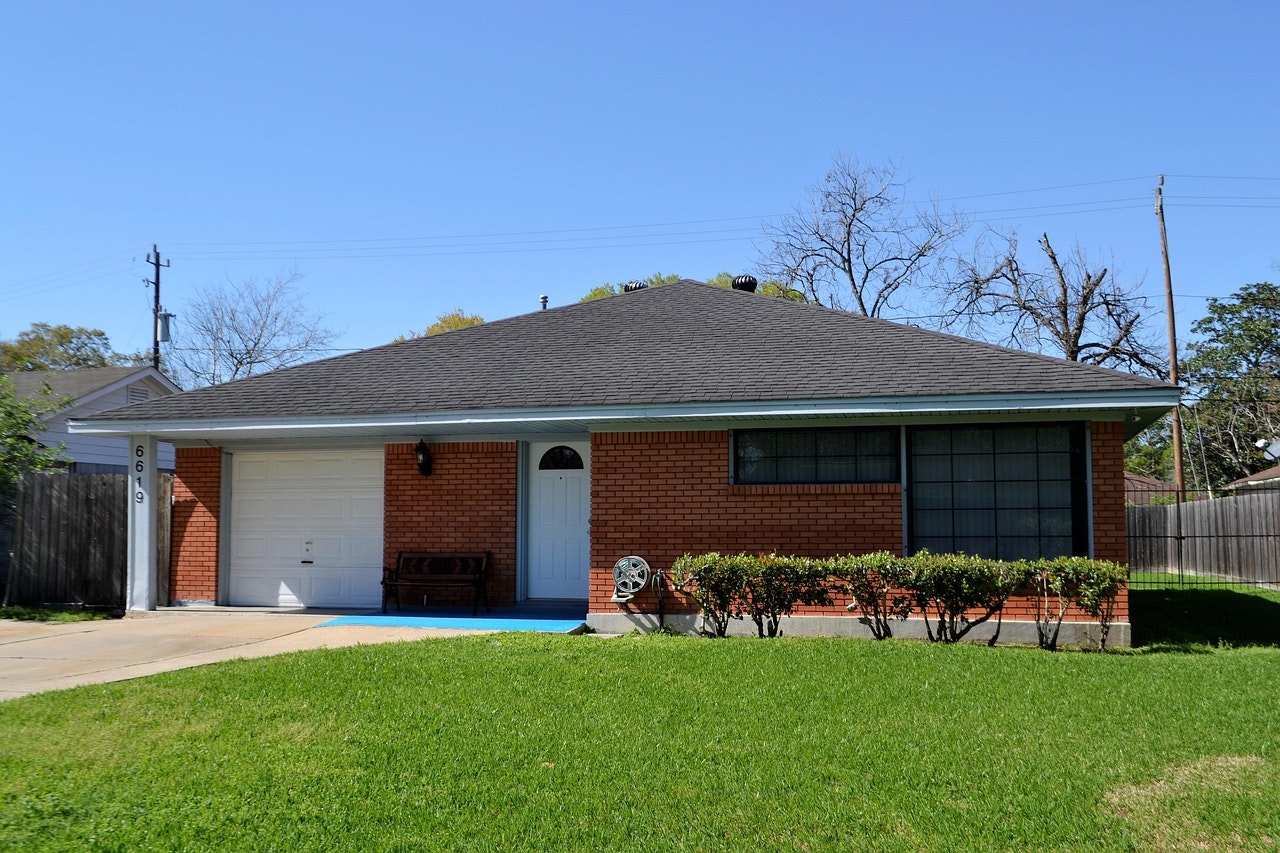
Midwest winters create property risks that homeowners cannot afford to ignore: frozen pipes, ice dams, hail, wind damage, heavy snow, and sewer backups. A homeowners policy may help with many of these losses, but coverage depends on the cause of damage, the policy terms, and whether you have taken reasonable steps to protect the property. Reviewing your coverage before winter is the right time to catch gaps—before the first hard freeze arrives.
Prime Insurance Agency helps homeowners in Roselle, IL, and across Illinois, Indiana, and Wisconsin prepare their coverage for Midwest weather. Before November arrives, take a few minutes to understand what your Homeowners Insurance
policy does, what it does not do, and where an endorsement may make sense.
Frozen Pipes: Usually Covered, but Prevention Matters
Frozen pipes are one of the most common winter insurance questions. Under many standard HO-3 homeowners policies, the resulting water damage from a sudden, accidental burst pipe is typically covered. If a pipe freezes, bursts, and damages drywall, flooring, furniture, or other covered property, your policy may help pay for repairs after your deductible.
However, coverage is not automatic in every situation. Insurers generally expect homeowners to take reasonable precautions to keep the home heated and maintained during cold weather. If the home was vacant, heat was shut off, or the insurer determines that the pipes froze because the property was not reasonably protected, a claim may be limited or denied.
Before winter, make sure you know where your main water shutoff is located. Insulate exposed pipes, disconnect outdoor hoses, seal drafts near plumbing, and maintain a safe indoor temperature—even if you are away for a weekend or extended trip. If you leave your home vacant, ask Prime Insurance Agency what your policy requires for heat, water shutoff, or regular property checks.
Ice Dam Damage Is Different From Flood Damage
Ice dams form when snow melts on a warmer roof surface, runs toward the colder roof edge, and refreezes. As ice builds up, water can back up under shingles and enter the home. This can lead to stained ceilings, wet insulation, damaged walls, and warped flooring.
Whether ice dam damage is covered can depend on the policy, the source of the water, the condition of the roof, and whether there was a covered opening or sudden event. In many cases, sudden water damage caused by an ice dam may be covered, but gradual deterioration, poor maintenance, or pre-existing roof problems may not be.
Flood damage is different. Flood insurance generally addresses water that rises or flows over normally dry land, such as heavy runoff, overflowing waterways, or widespread surface water entering the property. Standard homeowners policies usually exclude flood damage, and flood insurance is typically purchased separately.
In short, water coming from an ice dam at the roofline and water entering from outside ground-level flooding are not treated the same way. If you are unsure which protection applies, ask before winter weather starts.
Wind and Hail Claims in Illinois and Indiana
Winter does not eliminate the threat of wind and hail. Illinois, Indiana, and Wisconsin can all experience powerful windstorms, late-season hail, falling branches, and storm-related roof damage. A standard homeowners policy typically covers sudden damage from wind, wind-driven rain following covered damage, hail, or falling trees and limbs.
For example, if wind removes shingles and rain enters through the storm-created opening, the resulting damage may be covered under the policy, subject to your deductible and policy terms. If hail damages a roof, siding, gutters, or windows, coverage may also apply depending on the cause and valuation method in your policy.
What homeowners should not assume is that every roof issue is a storm claim. Normal wear, aging shingles, deferred maintenance, and long-term leaks are usually handled differently from sudden storm damage. That is why photos, maintenance records, and prompt reporting matter after a damaging event.
Review your deductible before a storm. Some policies have a standard flat deductible, while others may use a special wind, hail, or percentage deductible. Knowing that number now helps you plan before you need to file a claim.
Check Your Dwelling Coverage Before Rebuild Costs Rise Again
Your dwelling coverage is the limit intended to help rebuild the structure of your home after a covered major loss. It is not the same as your purchase price, tax value, or current real estate market value. It should reflect what it could cost to rebuild your home using current labor, materials, and local building requirements.
That number deserves a close look before winter. Rebuilding a home after a major fire, roof collapse, or severe storm loss can involve contractor demand, debris removal, code updates, permits, material costs, and specialized work. If your limit has not been reviewed in several years, it may no longer match your home’s replacement cost.
Review your policy after a remodel, kitchen upgrade, finished basement, new roof, addition, deck, custom cabinetry, or other meaningful improvement. A coverage review with Prime Insurance Agency can help identify whether your dwelling amount, personal property limit, and additional living expense coverage still fit your home today.
Why Sewer Backup Coverage Is Worth Considering
Sewer and drain backups are a major source of winter water damage, especially when frozen ground, snowmelt, heavy rain, clogged drains, or sump pump issues put pressure on drainage systems. Standard homeowners policies often do not include full sewer backup protection automatically.
A sewer backup endorsement can add coverage for certain losses involving backed-up sewers, drains, or sump pump overflow. Coverage limits, exclusions, and deductibles vary, so it is important to choose an amount that makes sense for your basement, finished living space, appliances, furniture, and belongings.
This endorsement is especially worth discussing before the ground freezes. Once snow, ice, and winter rain begin to affect drainage, it is too late to wish you had reviewed the details. Keep in mind that a sewer backup caused by a broader flood event may be treated differently, and separate flood insurance may still be needed.
Do Not Overlook Liability Protection
Winter risks are not limited to your home itself. Icy walkways, slippery steps, falling ice, and guests visiting during the holidays can all create potential liability concerns. Your homeowners policy includes personal liability coverage, but a serious injury claim can exceed the policy’s base limit.
For added protection above your home and auto liability limits, consider Personal Umbrella Insurance. An umbrella policy can provide an additional layer of liability coverage when a covered claim is larger than the limits available through your underlying policies.
Winter Insurance Checklist: Complete This Before November
- Review your dwelling limit: Confirm that it reflects current rebuilding costs and recent improvements to your home.
- Check your deductible: Know whether you have a standard, wind, hail, or percentage deductible before a claim occurs.
- Ask about frozen-pipe requirements: Confirm the precautions required if you leave your home vacant or travel during winter.
- Review sewer backup protection: Ask whether you have an endorsement and whether its limit is enough for your basement and belongings.
- Document your property: Take photos or video of each room, exterior features, appliances, and valuable belongings.
- Inspect the exterior: Clean gutters, trim risky branches, disconnect hoses, check roof conditions, and address obvious maintenance issues.
FAQ
Does homeowners insurance cover frozen pipes in Illinois?
Many standard policies cover resulting water damage from a sudden burst pipe, but coverage may depend on whether reasonable steps were taken to maintain heat and prevent freezing.
Does homeowners insurance cover ice dam damage?
It may cover certain sudden water damage caused by an ice dam, but coverage depends on the policy, the source of the water, maintenance conditions, and other claim details.
Is sewer backup covered by homeowners insurance?
Often, sewer backup requires a separate endorsement. Review your policy to confirm whether you have coverage and how much protection is available.
Does homeowners insurance cover wind and hail damage?
Standard policies typically cover sudden wind and hail damage to covered parts of the home, subject to deductibles, exclusions, and policy terms.
When should I review my homeowners insurance?
Review it at least once each year and after major renovations, large purchases, changes in occupancy, or significant changes in rebuilding costs.
Prepare before winter weather puts your home to the test. Call Prime Insurance Agency at (630) 539-0123 or contact us online for a seasonal coverage review in Illinois, Indiana, or Wisconsin.