
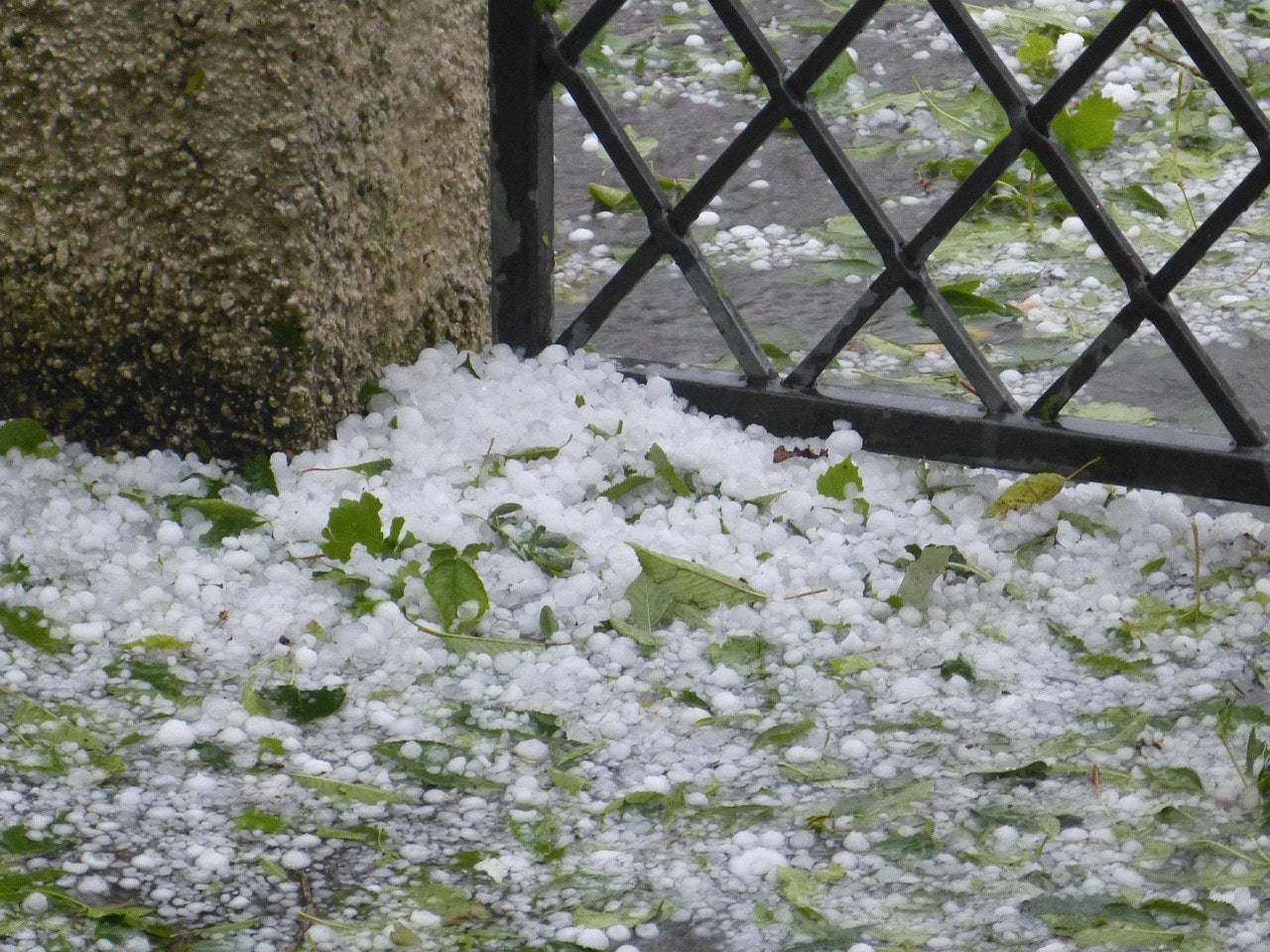
Hail is a familiar Midwest risk, especially across the Chicago metro area and surrounding communities in Illinois, Indiana, and Wisconsin. DuPage and Cook County regularly experience damaging thunderstorm activity, and a single hailstorm can dent vehicles, damage roofs, crack siding, and create costly problems. Knowing what your auto and homeowners policies cover before a storm hits can make the difference between a manageable claim and an expensive surprise.
Prime Insurance Agency helps homeowners and drivers in Roselle, IL, and throughout Illinois, Indiana, and Wisconsin understand their coverage before severe-weather season arrives. Hailstorms are not rare Midwest events—they are an annual risk worth planning for.
Why Hail Damage Deserves a Coverage Review
Hail can be unpredictable. One neighborhood may have only heavy rain, while another a few miles away may see damaging hail in minutes. Northern Illinois and northwest Indiana experience their most active severe-weather period from spring through summer, with damaging hail commonly occurring during that season.
That local unpredictability is why it is important to understand your policy before you see dents on your hood or granules in your gutters. A quick review can help confirm whether you have the right coverage, deductible, limits, and valuation method for your home and vehicle.
Auto Insurance and Hail Damage
For vehicles, hail damage is generally covered under comprehensive coverage. Comprehensive is the part of an auto policy that helps pay for damage caused by events other than a collision with another vehicle or object. This can include hail, falling objects, theft, fire, vandalism, and certain weather-related losses.
If hail dents your roof, hood, trunk, or doors—or breaks a windshield—comprehensive coverage may help pay for repairs after your deductible. Because hail is a weather event, fault is not the issue. You did not cause the storm, and another driver is not responsible for the damage.
Collision coverage is different. Collision coverage applies when your vehicle hits another vehicle, a tree, a guardrail, or another object, or when it rolls over. It does not typically apply to hail damage. If you have collision but not comprehensive coverage, hail damage may not be covered.
A comprehensive claim also typically does not affect your insurance rates in the same way as an at-fault accident. However, claims history, local loss trends, carrier guidelines, and other rating factors vary, so it is always smart to ask your agent how a claim may affect your specific policy.
What to Expect During an Auto Hail Claim
If you discover hail damage on your vehicle, start by taking clear photos and videos from several angles. Photograph dents, broken glass, damaged mirrors, and any loose vehicle parts. Make note of the date, time, and location of the storm if you can.
Next, contact Prime Insurance Agency or your carrier to report the claim. An adjuster may inspect the vehicle in person, review photos, or direct you to an approved inspection location. Once the damage is evaluated, you can discuss repair options with a qualified body shop.
Paintless dent repair is often used for smaller dents when the paint surface is intact. More extensive damage may require traditional bodywork, panel repair, or glass replacement. Do not rush into an agreement with an unfamiliar repair company just because they approach you after a storm. Start with your insurer and choose a reputable repair professional.
To make sure your vehicle is prepared for future storms, review your Auto Insurance
policy and confirm that comprehensive coverage is included.
Homeowners Insurance and Hail Damage
For most homeowners, hail damage to the house is typically covered under a standard HO-3 homeowners policy. Depending on the policy terms and the damage involved, coverage may apply to the roof, siding, gutters, windows, exterior trim, and other parts of the home damaged by hail.
However, “covered” does not always mean every claim pays the same way. Your deductible, roof valuation method, policy endorsements, age and condition of the roof, and the cause of damage can all affect the final claim payment. That is why policy details matter long before a contractor is standing in your driveway.
Actual Cash Value vs. Replacement Cost
One of the most important questions to ask is whether your roof and other covered property are insured on an actual cash value or replacement cost basis.
Actual cash value considers depreciation. If your roof is older, the claim payment may reflect its age and condition before the storm. That can leave you responsible for a larger share of the repair or replacement cost.
Replacement cost coverage is designed to help cover the cost to repair or replace damaged property with similar materials, subject to your policy limits, deductible, and terms. In many policies, an initial payment may be issued first, with additional replacement cost available after repairs are completed and documented.
Prime Insurance Agency can help you review how your homeowners policy handles hail damage, roof losses, and depreciation. Your Homeowners Insurance
should reflect both your property and today’s rebuilding costs.
Do Not Let an Outdated Dwelling Limit Create a Gap
Hail damage can range from a few broken shingles to a major roof replacement paired with siding, gutter, and window damage. If your dwelling limit has not been reviewed in several years, it may not reflect current labor costs, material prices, building code updates, or renovations you have completed.
Homeowners across Illinois, Indiana, and Wisconsin should review their policy after major improvements such as a kitchen remodel, room addition, finished basement, new deck, upgraded roofing materials, or custom exterior work. Even if you have not remodeled, rebuilding costs can change over time.
A coverage review does not guarantee every loss will be covered, but it can help identify outdated limits and missing protection before severe weather arrives.
What to Do Immediately After a Hailstorm
After the storm passes, begin with safety. Avoid climbing onto a roof, touching damaged electrical equipment, or walking near downed power lines. If you see an urgent safety issue, contact the appropriate emergency service or utility provider.
- Document the damage: Take date-stamped photos and videos of your vehicle, roofline, siding, gutters, windows, landscaping, and any interior damage.
- Call your agent before calling a contractor: Prime Insurance Agency can help you understand your coverage, deductible, and next claim steps.
- Prevent additional damage: Use temporary measures when safe and necessary, such as covering a broken window or placing a tarp over an active leak.
- Keep records: Save receipts for emergency repairs, temporary protective materials, and other storm-related expenses.
- Be cautious with door-to-door storm chasers: Do not sign contracts under pressure or agree to work before understanding the scope of damage and your insurance process.
FAQ
Does comprehensive coverage pay for hail damage to my car?
Typically, yes. Comprehensive coverage generally helps pay for hail damage after your deductible, subject to the terms of your policy.
Will collision coverage pay for hail damage?
No. Collision coverage is generally for accidents involving another vehicle, object, or rollover. Hail damage is usually handled through comprehensive coverage.
Does homeowners insurance cover hail damage to a roof?
Standard homeowners policies typically cover sudden hail damage to roofs and exterior features, but your deductible, roof valuation method, and policy terms affect the claim.
Should I file a hail claim right away?
Document the damage promptly and contact your agent or carrier as soon as practical. Quick reporting can help preserve evidence and begin the inspection process.
Why should I avoid unsolicited roofing contractors after a storm?
Reputable contractors exist, but storm chasers may use high-pressure tactics or make promises before the damage and coverage have been properly evaluated. Start with your insurance agent and research any contractor before signing.
Before the next storm season, make sure your coverage is ready. Call Prime Insurance Agency at (630) 539-0123 or contact us online for a coverage review across Illinois, Indiana, and Wisconsin.